
The Essential Car Emergency Kit Checklist
What to keep in your trunk for breakdowns, bad weather, and minor roadside emergencies.
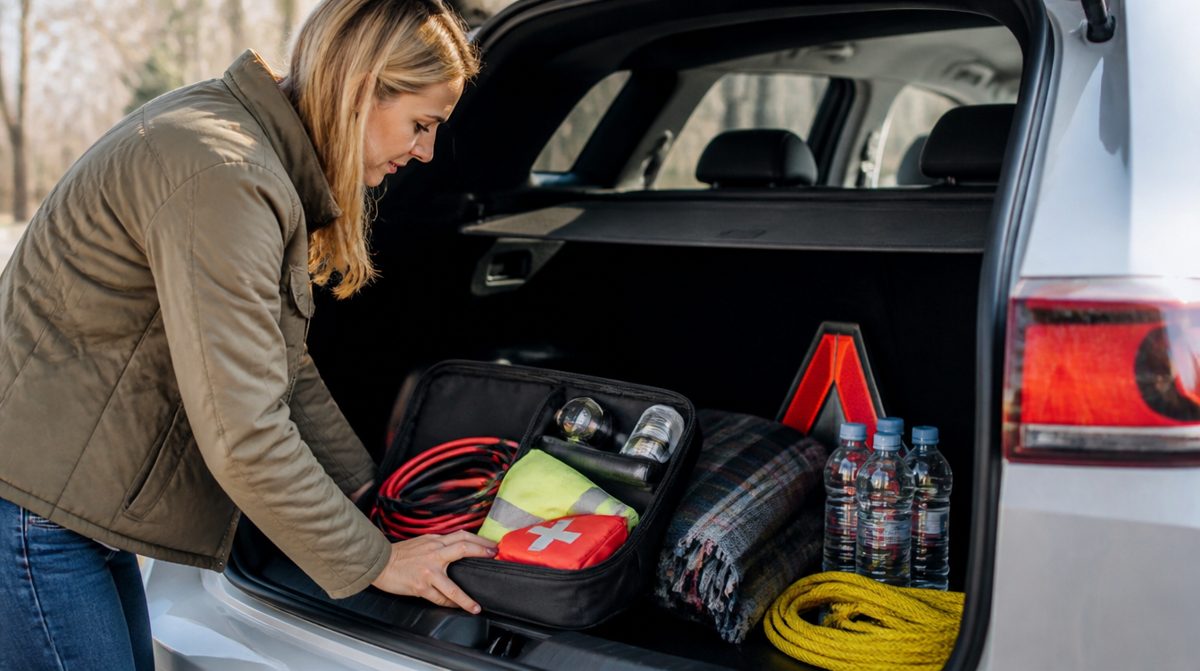
Most drivers will deal with a breakdown, a flat tire, or an unexpected delay at some point. A well-stocked emergency kit does not take much space, and it can turn a stressful situation into a manageable one. Build yours in sections and review it every season.
Vehicle Repair Basics
- Jumper cables or a portable jump pack, charged regularly
- A tire pressure gauge and a portable tire inflator that plugs into the car
- The spare tire, jack, and lug wrench, checked occasionally for condition
- A tire repair kit if your vehicle has no spare
- Duct tape and a few zip ties for temporary fixes
- A multi-tool or basic set of screwdrivers and pliers
- A quart of the correct engine oil and a small bottle of coolant, if suited to your car
Safety and Visibility
- Reflective warning triangles or flares, so other drivers see you from a distance
- A bright flashlight with spare batteries, or a hand-crank model
- A reflective safety vest for changing a tire near traffic
- Work gloves to protect your hands
- A whistle to signal for help
Health and Comfort
- A first-aid kit with bandages, antiseptic wipes, gauze, and any personal medication you may need
- Bottled water, replaced regularly
- Non-perishable snacks such as granola bars
- A blanket for warmth
- Hand wipes and paper towels
- A rain poncho
Communication and Navigation
- A phone charger or a power bank
- A paper road atlas for areas without signal
- A notepad and pen to record details after an accident
- A card listing emergency contacts and roadside assistance numbers
- A copy of your insurance information and registration, if allowed in your state
Seasonal Add-Ons
Winter
- Ice scraper and snow brush
- A small shovel
- Kitty litter or sand for traction
- Extra warm layers, hats, and gloves
- Hand warmers
Summer
- Extra water, since heat makes dehydration a real risk
- A sunshade for the windshield
- Sunscreen and a hat
- A battery-powered fan
Keeping the Kit in Good Shape
An emergency kit only helps if it works when you need it. Set a reminder twice a year, perhaps when clocks change, to check expiration dates, test flashlight batteries, and replace used items. Store everything in a sturdy bag or bin so nothing rolls around, and secure heavy items so they stay put in a sudden stop.
Know Your Own Skills
Tools help only if you know how to use them. Practice with the jack once at home, learn where the jump-start terminals are, and read the emergency section of your owner's manual. If you are on a busy highway and feel unsafe, stay in the car with your seat belt on and call for help rather than working near traffic.
Store It Sensibly
Keep the heaviest items low in the trunk and secured, and keep the first-aid kit, flashlight, and warning triangles where you can reach them quickly. Tell family members who share the car where the kit lives. If you drive an electric or hybrid vehicle, check your manual for any special instructions about jump-starting and towing. Check local laws and your owner's manual about carrying items such as flares, and keep a small bag of cash for emergencies in case card readers are down.
The takeaway: a good kit covers repairs, visibility, health, and communication. Start with the basics, add seasonal items, and review it twice a year so everything is ready when a bad day happens.