
Used Car Test Drive Checklist: What to Look, Listen, and Feel For
A walk-around and drive checklist that helps you spot warning signs before you commit to a used car.
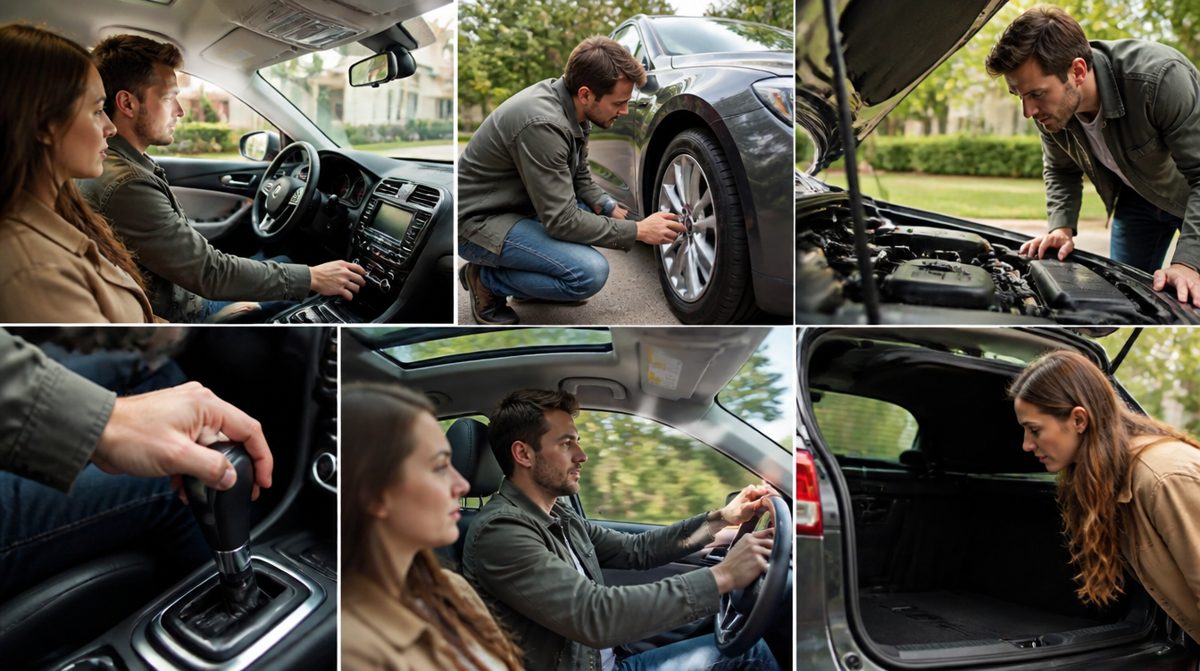
A test drive is your best chance to learn how a used car really behaves. Photos and listings cannot capture noises, vibrations, or how the pedals feel underfoot. Bring this checklist, take your time, and do not let a seller rush you. It is also wise to follow up any car you like with an inspection by an independent mechanic.
Before You Start the Engine
- Walk around the car and look for mismatched paint or uneven gaps between body panels, which can suggest past repairs.
- Check tires for even wear and matching brands or sizes.
- Crouch and look under the car for fresh drips or stains.
- Open the hood and look for leaks, cracked hoses, or corrosion on the battery terminals.
- Check the oil on the dipstick. Very dark or sludgy oil can mean neglect.
- Sniff the interior for musty or smoky odors, which can point to water leaks or heavy smoking.
Inside the Car
- Turn the key to the on position and make sure dashboard warning lights come on and then go off after the engine starts.
- Test every window, lock, mirror, and seat adjustment.
- Run the air conditioning and heater at different settings.
- Try the radio, infotainment screen, and any charging ports.
- Check the seat belts and look for worn or damp carpet, which can signal flooding or leaks.
On the Road
Choose a route that includes slow streets, a stretch of highway, a few turns, and ideally a hill. Turn the radio off so you can hear the car.
- Does the engine start easily and idle smoothly?
- Does the transmission shift without jerking, slipping, or long delays?
- Does the car track straight when you briefly loosen your grip on a flat, empty road?
- Do the brakes stop the car smoothly without pulling, grinding, or a pulsing pedal?
- Are there clunks over bumps that suggest suspension wear?
- Do you hear whining, humming, or rattling that changes with speed?
After the Drive
Park and let the engine idle for a minute. Check underneath again for fresh leaks, and look at the temperature gauge. Open the hood and listen for unusual sounds. If anything seemed off, ask the seller about it directly and note the answer.
Questions to Ask the Seller
- Do you have maintenance records?
- Has the car been in any accidents?
- Why are you selling it?
- Is the title clean and in your name?
- May I have the car inspected by my own mechanic?
A seller who refuses an independent inspection is giving you useful information. Walk away if you feel pressured or if answers seem evasive.
Paperwork to Review
Ask to see the title and compare the vehicle identification number on the title with the number on the car, usually visible at the base of the windshield and on the door jamb. A vehicle history report can reveal reported accidents, title brands, and mileage records. Rules about used-car sales and warranties vary by state, so check with your state's consumer protection office if you have questions.
Trust Your Instincts
If something feels wrong, whether it is a noise, a smell, or the way the seller answers questions, take it seriously. There are many used cars for sale, and you never need to buy the first one you drive. Take notes on each car you test so you can compare them fairly afterward, rather than relying on memory alone.
The takeaway: look, listen, and feel carefully, ask direct questions, and back up your impressions with a mechanic's inspection. A few extra hours of checking can save you from a car that looks better than it drives.