
Cotton vs. Linen: Which Fabric Suits Your Wardrobe?
A side-by-side look at how cotton and linen feel, wear, wrinkle and age so you can choose with confidence.
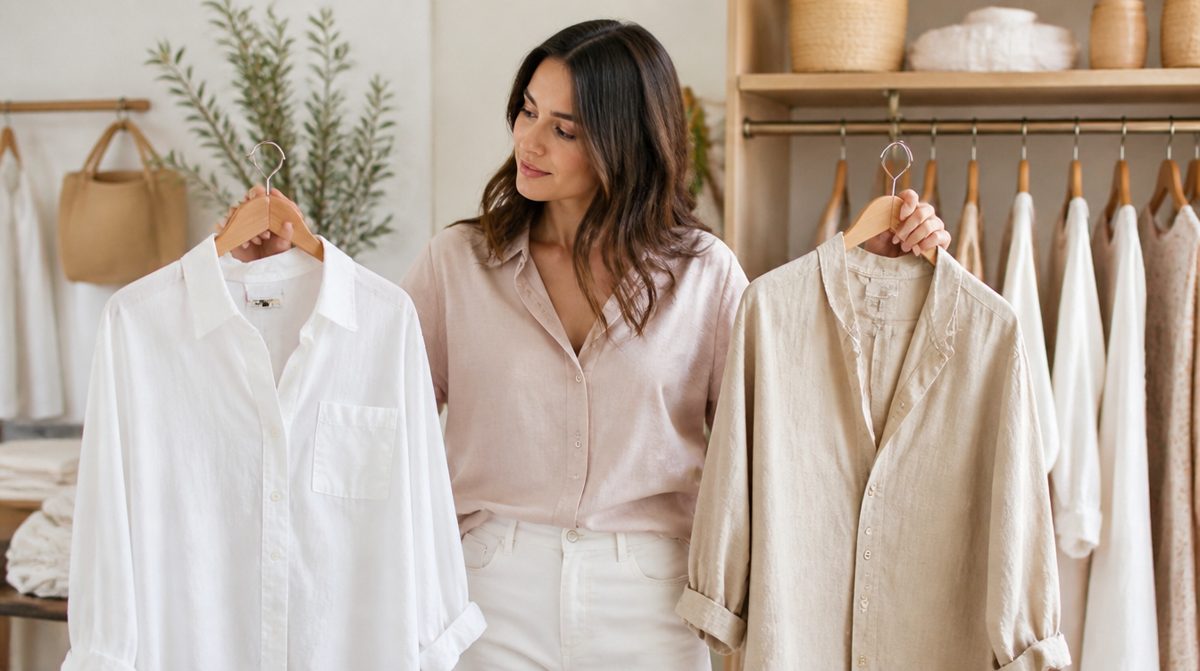
Cotton and linen are both natural plant fibers, and both are staples of warm-weather clothing. They look similar from a distance, yet they behave quite differently on the body and in the wash. Understanding those differences helps you pick the right fabric for the climate you live in, the care you are willing to give and the look you want.
Cotton
Cotton comes from the fluffy boll of the cotton plant and is spun into a huge range of fabrics, from jersey tees to crisp poplin shirts to heavy denim. It is soft, familiar and easy to wear. Most people find cotton comfortable against the skin straight from the first wear.
- Feel: Soft and smooth, with a texture that varies by weave and finish.
- Breathability: Good, though it absorbs moisture and can feel damp when you sweat heavily.
- Wrinkling: Moderate. Many cottons wrinkle somewhat, though finishes can reduce this.
- Care: Generally easy. Most cotton can be machine washed, though it may shrink the first time if dried on high heat.
- Durability: Strong, especially with longer fibers, and it tolerates frequent washing.
Linen
Linen is made from the flax plant and has a distinctive slubby, textured look. It is naturally crisp when new and softens beautifully with each wash. Linen has long been prized in hot climates because it feels airy and dries quickly.
- Feel: Crisp at first, then softer and more relaxed over time.
- Breathability: Excellent. The loose structure lets air move freely, which many people find cooling in heat.
- Wrinkling: High. Wrinkles are part of linen's character, and many wearers embrace the lived-in look.
- Care: Often straightforward, but follow the label. Washing gently and avoiding harsh heat protects the fibers.
- Durability: Very strong for a natural fiber, and pieces often last for years if cared for properly.
Where They Differ Most
The biggest difference is wrinkling and texture. Cotton offers a more polished, uniform surface, while linen gives a relaxed, organic appearance that suits casual and resort styles. Cotton is usually easier on sensitive skin from the start, while linen takes some breaking in. In very hot, humid weather, linen tends to feel lighter, but in cooler conditions a good cotton knit feels warmer and cozier.
Blends sit in between. A linen and cotton mix softens the stiffness of linen and reduces some wrinkling while keeping part of its airy feel. Blends with synthetic fibers can resist creasing even more, though they may breathe less.
Which Should You Choose?
Choose cotton if you want a versatile, soft everyday fabric that handles frequent washing and looks neat with minimal effort. It is a safe pick for tees, button-ups, loungewear and office basics.
Choose linen if you live in or travel to a hot climate, enjoy a relaxed look and do not mind wrinkles. It suits summer shirts, wide-leg pants, dresses and lightweight jackets. If you hate ironing and want a crisp look, a cotton shirt or a linen blend is the better option.
Consider owning both. Cotton serves as the foundation for most of your wardrobe, while a few linen pieces add comfort and character in the warmest months. Whichever you choose, check the weave: tightly woven fabric lasts longer, and loose or very thin weaves may wear out sooner.
Takeaway: Cotton is the soft, easy all-rounder and linen is the cool, textured warm-weather specialist. Pick based on climate, care habits and the look you enjoy.