
Fabric Weight and GSM Explained
What grams per square meter, ounces and thread count tell you about how a fabric will feel and wear.
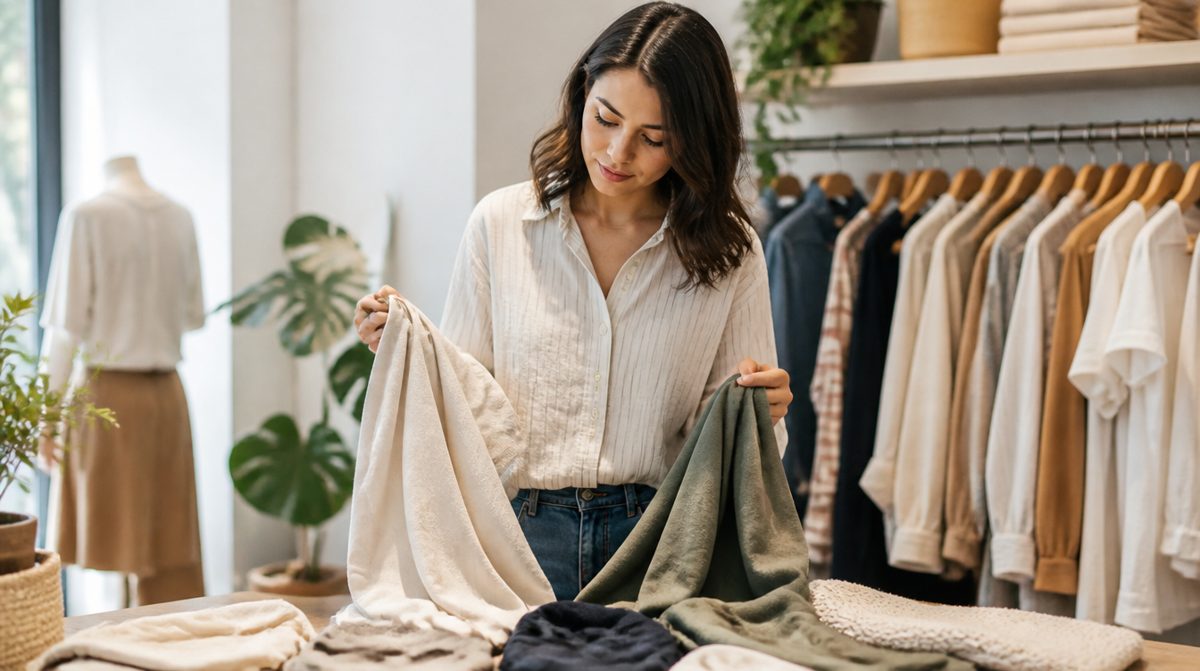
Product descriptions often mention numbers such as 180 GSM or 12 ounce denim and expect you to know what they mean. Fabric weight is one of the most useful pieces of information on a label, because it hints at warmth, drape, durability and the season a piece suits. This guide explains the common measurements in plain language.
What GSM Means
GSM stands for grams per square meter. It measures how much a square meter of fabric weighs. A higher number means a heavier, denser fabric, and a lower number means something lighter and thinner. You will most often see it on t-shirts, sweatshirts, towels and knit fabrics.
As a rough guide, very light fabrics are airy and sheer-leaning, medium fabrics suit most everyday wear and heavy fabrics feel substantial and warm. A lightweight tee is made for hot weather, while a heavyweight tee holds its shape and feels sturdier but may feel warmer. Neither is better, but each suits different needs.
Ounces for Heavier Fabrics
Denim, canvas and some outerwear fabrics are typically described in ounces per square yard. A lighter denim in the single digits or low teens feels softer and works for warm weather, while a heavier denim feels stiffer, lasts longer and suits cooler seasons. Because ounces and GSM measure different units, you cannot compare the numbers directly without converting them.
Thread Count and Density
Thread count applies mainly to woven items such as sheets and shirts. It counts the threads in one square inch of fabric. Higher counts can mean a finer, smoother weave, but the number is not everything. The quality of the fiber and the way it is spun and woven matter just as much, and an extremely high number can be a marketing figure rather than a sign of better quality.
How Weight Affects the Way a Garment Behaves
- Drape: Lighter fabrics flow and move, while heavier fabrics hold structure and stand away from the body.
- Warmth: Heavier fabrics generally trap more air and feel warmer, though fiber type matters too.
- Durability: Denser fabrics often resist wear better, though construction quality is also important.
- Opacity: Light fabrics may be see-through, especially in pale colors.
- Wrinkling and shape: Heavier knits can resist stretching out, while lighter ones may cling or sag.
Using Weight When You Shop
Match weight to the season and purpose. For summer shirts and layering pieces, aim for lighter weights. For year-round basics, choose a middle range. For cold weather sweatshirts, coats and work pants, heavier options make sense. If a listing does not give weight, feel the fabric in store, hold it up to the light and see how it falls when you hold it by one corner.
Compare similar items by checking the weight and the fiber together. A heavy fabric made of poor fiber might pill quickly, while a medium fabric from long, strong fibers may outlast it. Reading reviews that mention how the item holds up after washing can fill in what the numbers leave out.
Common Misunderstandings
Heavier does not always mean warmer or better quality. A thick, loosely knit fabric may be less warm than a thin, tightly woven wool. Likewise, lightweight does not mean cheap, since many premium summer fabrics are intentionally airy.
Takeaway: Fabric weight tells you how a garment will drape, warm and wear. Use GSM and ounces alongside fiber type, and choose the weight that fits the season and the job.