
A Fall Layering Cheat Sheet
A quick reference for building warm, adjustable outfits when mornings are cold and afternoons are mild.
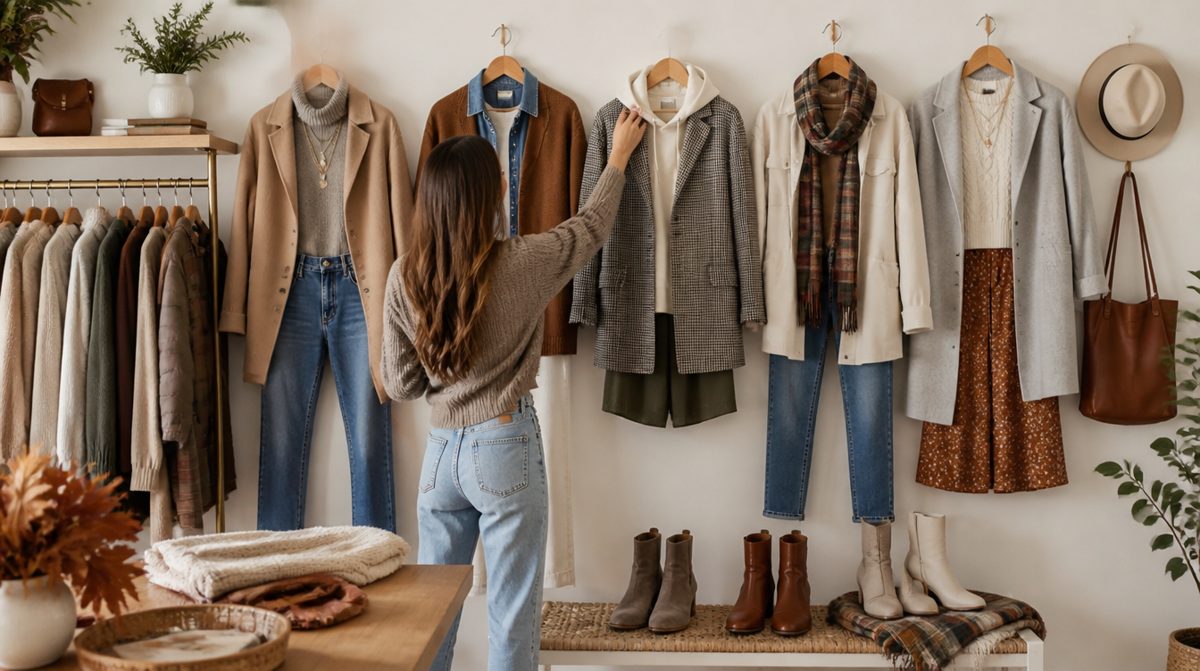
Fall weather is famously unpredictable. You may start the day in a chilly breeze, feel warm by lunch and need a jacket again at sunset. Layering solves the problem by letting you add or remove pieces as conditions change. This cheat sheet gives you a simple formula and a quick reference for common situations.
The Three-Layer Formula
Think of any outfit in three layers, each with its own job.
- Base layer: The piece closest to your skin. Choose a comfortable, breathable fabric such as cotton, merino wool or a moisture-wicking blend. It manages sweat and keeps you comfortable.
- Middle layer: The insulating piece, such as a sweater, fleece, flannel shirt or vest. It traps warmth and is the layer you will most often remove or add.
- Outer layer: The shield against wind and rain, such as a light jacket, trench, field coat or shell. It protects the layers underneath.
Quick Reference by Weather
Cool and Dry
Wear a long-sleeve tee, a medium-weight sweater and a light jacket. This combination is easy to adjust, and you can tie the jacket around your waist or carry it if the afternoon warms up.
Cold and Windy
Add a thermal base layer, a thicker knit and a wind-resistant outer layer. Include a scarf and hat, since much body heat is lost through the neck and head. Choose a collar that closes snugly.
Damp and Drizzly
Prefer fabrics that perform when slightly wet, such as wool or synthetic blends, and choose a water-resistant outer layer with a hood. Avoid heavy cotton as a base in persistent rain, since it holds moisture and can leave you chilly.
Big Temperature Swings
Dress in thin layers that are easy to remove, and make sure each piece looks good on its own. A button-up shirt over a tee, topped with a cardigan or vest, can be peeled apart in stages.
Layering Rules That Help
- Go thin to thick. Start with lighter fabrics close to the body and heavier ones on the outside so the outfit does not bunch.
- Vary the lengths. Let a shirt hem peek out below a sweater, or a sweater below a jacket, to create a tidy, intentional look.
- Mind the sleeves. Sleeves should get progressively roomier from base to outer layer, so the sleeve inside is not pushed up at the elbow.
- Keep the palette simple. Pick neutral shades and add one accent. Matching tones makes layering look cohesive.
- Stay comfortable moving. Raise your arms and sit down to test that layers do not bind.
Accessories as Instant Adjusters
A scarf, light gloves and a beanie can be added or removed in seconds and take up almost no room in a bag. A scarf in particular can make a mild outfit warmer without another jacket. Boots or closed shoes with warm socks round out the plan. Keep a small umbrella or packable rain layer in your bag during wetter months.
Common Layering Slip-Ups
- Wearing a bulky sweater under a fitted jacket so it feels tight
- Choosing only one heavy piece instead of several lighter ones
- Forgetting that indoor spaces are often warm
- Using fabrics that trap sweat, leading to chills when you stop moving
Try putting together a few layered outfits at home on a quiet morning and note which combinations feel best. That small experiment saves time on busy days.
Takeaway: Build every outfit from a breathable base, a warm middle and a protective outer layer. Choose pieces that are easy to remove, and fall's changing weather becomes simple to handle.