
How to Measure Yourself for a Better Fit
A simple routine for taking accurate body measurements so size charts actually work in your favor.
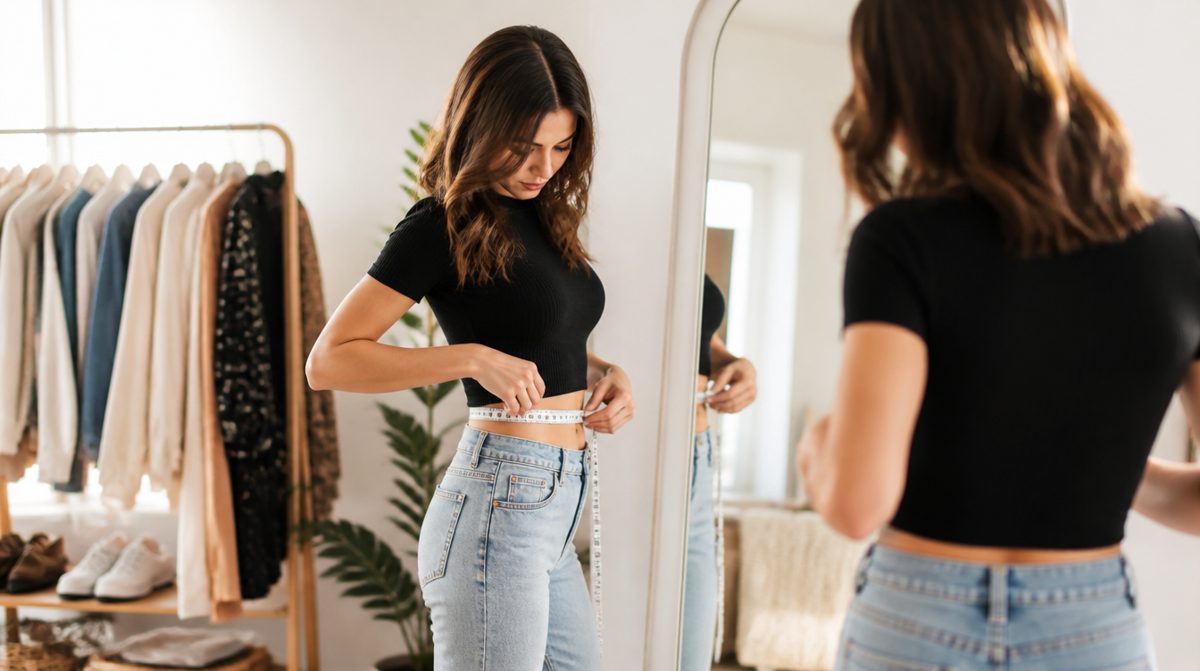
Size labels vary from one maker to the next, which is why a medium in one store can feel like a small in another. Your own measurements do not change with the label. Taking them carefully once, and rechecking a couple of times a year, makes online and in-store shopping far more predictable. This guide walks you through the process with nothing more than a soft tape measure and a few minutes.
What You Need Before You Start
Use a flexible cloth or vinyl tape, not a metal builder's tape. Wear thin, close-fitting clothing or just underwear so bulk does not add inches. Stand on a flat floor with your feet together and your arms relaxed. A mirror helps you check that the tape stays level, and a helper makes the back and shoulder measurements much easier.
The Step-by-Step Method
- Chest or bust. Wrap the tape around the fullest part of your chest, under the arms and across the shoulder blades. Keep it parallel to the floor and snug without squeezing. Breathe normally and read the number at the point where the tape meets the end.
- Natural waist. Find the narrowest part of your torso, usually just above the belly button and below the ribs. Bend sideways slightly and the crease that forms is a good guide. Measure there without pulling the tape tight.
- Hips. Measure around the fullest part of your hips and seat. Stand with your feet together so the tape sits flat and level all the way around.
- Inseam. Measure from the crotch seam down to where you want the hem to end. The easiest way is to measure a pair of pants that already fit you well, laid flat, from the crotch to the bottom of the leg.
- Shoulder width. Have a helper measure from the edge of one shoulder bone straight across the back to the other. This number matters most for jackets and structured shirts.
- Sleeve length. Let your arm hang loosely at your side. Measure from the shoulder bone down past the elbow to the wrist bone.
- Write everything down. Save the numbers in your phone's notes app so they are with you whenever you shop.
Reading a Size Chart With Your Numbers
Compare each measurement to the chart for the specific item. If you fall between two sizes, think about the garment. For stretchy knits, the smaller size often works. For woven fabrics with no give, such as a tailored blazer or a stiff shirt, sizing up is usually safer because it is far easier to take fabric in than to let it out.
Look at whether the chart lists body measurements or garment measurements. Body measurements describe the person the item is meant to fit. Garment measurements describe the item itself, laid flat, and include any ease, which is the extra room built in for movement. If a product page lists garment measurements, lay a similar piece of your own clothing flat and compare directly. This is one of the most reliable ways to predict fit.
Common Measuring Slip-Ups
The most frequent problem is pulling the tape too tight, which gives numbers that are smaller than reality and leads to clothes that feel restrictive. The second is letting the tape sag at the back, which adds length. Check in the mirror that it stays level. It also helps to measure at the same time of day, since bodies naturally shift a little between morning and evening.
Do not worry if your numbers do not match one single size across the chart. Most people are a blend, with a different size on top than on the bottom. Many brands cut their tops and bottoms differently, so mixing sizes is normal rather than a flaw in your body.
Keep Your Measurements Useful
Retake your measurements every six months or after a major change in weight, activity level, or life stage. Keep a short note beside each number about how you like that item to fit, such as relaxed through the waist or fitted at the shoulder. When you shop, those notes turn raw numbers into decisions.
Takeaway: A tape measure, ten quiet minutes and a notes file will do more for your fit than any single size label. Measure carefully, compare against garment details, and let your own numbers lead the way.