
Emergency Preparedness Checklist for Seniors at Home
A checklist for getting your household ready for storms, outages, and other emergencies.
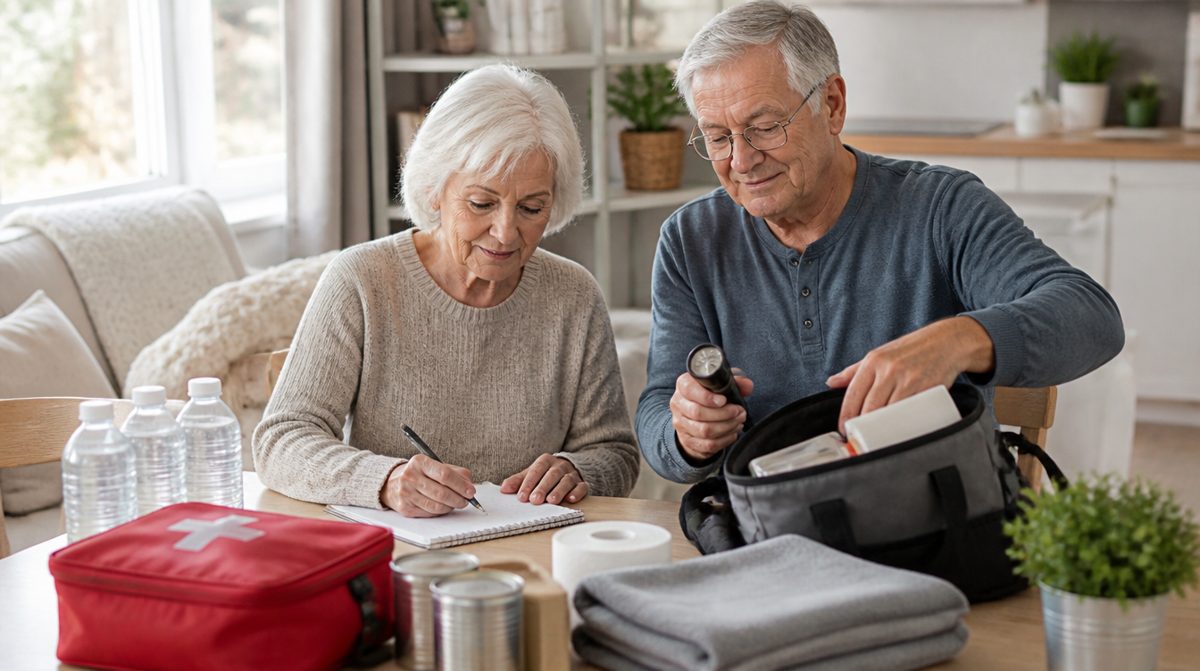
Emergencies such as severe weather, power outages, and fires can happen with little warning. Older adults may face additional challenges, such as needing medicines on schedule, powered medical equipment, or limited mobility. Preparing in calm times makes a real difference. Use this checklist to build a basic plan, and update it at least once a year.
Supplies to Keep on Hand
Gather these items in an easy-to-reach place, such as a labeled bin or bag.
- Drinking water for each person for several days, plus some for pets.
- Non-perishable food that you actually enjoy and can open easily.
- A manual can opener and basic utensils.
- A flashlight for each room you use, plus fresh batteries.
- A battery-powered or hand-crank radio for news and weather alerts.
- A first-aid kit and any medical supplies you rely on.
- Extra glasses, hearing aid batteries, and dentures supplies, if applicable.
- Warm blankets, a change of clothing, and sturdy shoes.
- Portable phone chargers and spare cables.
Medicines and Health Information
Your health needs should be at the center of your plan.
- Keep a current list of every medicine, dose, and the doctor who prescribed it.
- Ask your doctor and pharmacist about keeping an extra supply of essential medicines, and how to do it safely.
- List your allergies, health conditions, and any implanted devices.
- Keep copies of your insurance cards and photo identification.
- If you use oxygen or other powered equipment, ask your provider and utility company about backup power options.
- Learn which medicines need refrigeration and have a plan, such as a small cooler, if the power goes out.
People, Plans, and Paperwork
Planning with other people ensures you are not facing trouble alone.
- Write down phone numbers for family, neighbors, doctors, and local emergency services.
- Choose a relative or friend outside your area as a contact everyone can call to check in.
- Agree with a neighbor to look in on each other after a storm.
- Decide where you would go if you had to leave home, and how you would get there.
- Ask your local emergency management office whether a registry exists for people who need extra help during emergencies.
- Keep important papers in a waterproof folder or container.
- Keep a little cash in small bills in case card machines are not working.
Around the Home
- Test smoke and carbon monoxide alarms each month.
- Know two ways out of every room, and keep paths clear.
- Learn how to shut off water, gas, and electricity, or know who can help.
- Keep your car's gas tank at least half full during storm season, if you drive.
- Practice your plan once or twice a year so it feels familiar.
- Review your supplies each season and replace expired items.
Do not be discouraged if the list looks long. Start with water, flashlights, and a medicine list, then add a few things each week. Share your plan with the people who might help you.
Keeping the Plan Fresh
Put a reminder on your calendar twice a year, perhaps when the clocks change, to review your emergency kit. Swap out old batteries, replace water and food that are near their dates, and update your medicine list and phone numbers. Ask a family member or neighbor to review the plan with you so that they know where your supplies are kept. Talking it through once or twice makes it far easier to act calmly if something happens.
The takeaway: Gather supplies, organize your health information, connect with helpers, and make your home safer. A little steady preparation brings real peace of mind.