
Smart Home Standards Explained: Wi-Fi, Zigbee, Thread, and Matter
A plain-language guide to the wireless languages smart devices use and why compatibility matters.
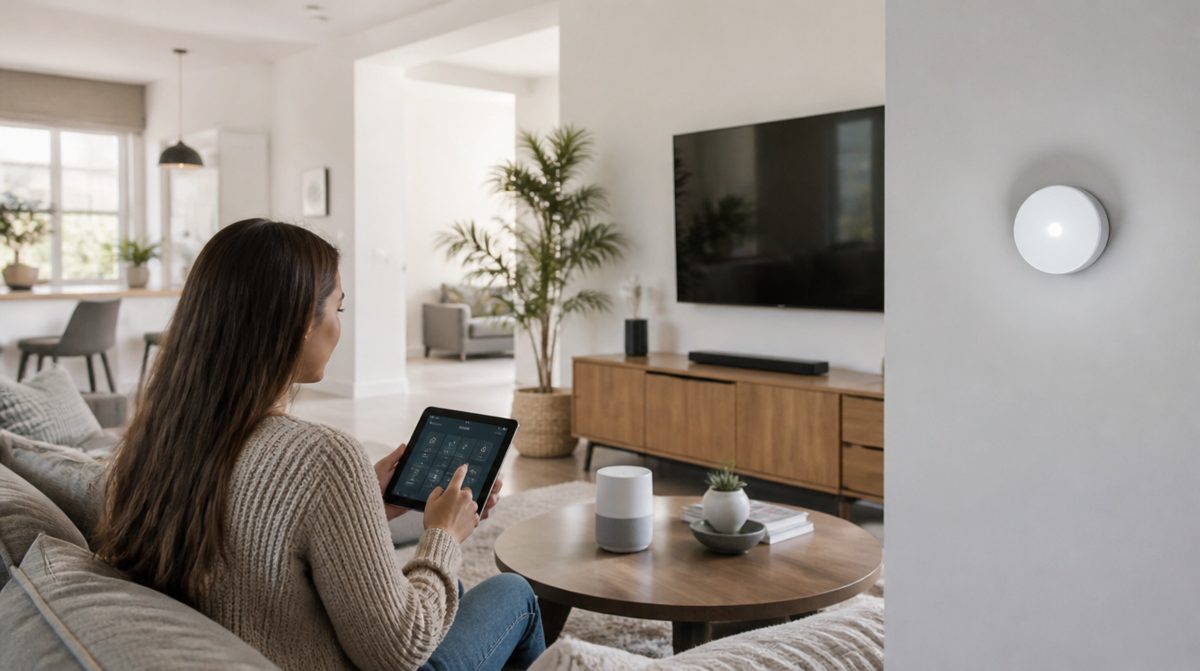
Walk into the smart home aisle and you will see boxes covered in unfamiliar names: Wi-Fi, Bluetooth, Zigbee, Z-Wave, Thread, and Matter. They sound like jargon, but they simply describe how devices talk to each other. Knowing the basics makes it much easier to choose gadgets that will work together instead of ending up with a drawer of products that refuse to cooperate.
Why standards exist
A smart bulb, a door lock, and a speaker are each tiny computers that need a shared language. If two devices use different languages, they cannot understand each other without a translator, which is usually a hub or a cloud service. Standards are agreed-upon languages that let products from different makers connect.
Early smart homes were built around single brands. If you wanted your lights and thermostat to cooperate, you often had to stay within one company's family of products. Newer standards aim to remove that lock-in.
The common connection types
Wi-Fi
Wi-Fi is the most familiar option. Devices join your home network directly, so no extra hub is needed. The trade-off is that each device uses bandwidth and power, and a house full of Wi-Fi gadgets can crowd the network. Battery-powered sensors rarely use Wi-Fi because it drains them quickly.
Bluetooth
Bluetooth works over short distances and is often used during setup or for devices near your phone. It is power-efficient but limited in range, so it rarely controls a whole house on its own.
Zigbee and Z-Wave
These are low-power wireless systems designed specifically for smart homes. They usually need a hub, and devices can relay signals for one another, which forms a sturdy web of coverage. They are popular for sensors, switches, and locks. Their main drawback is that a device built for one system generally will not join the other.
Thread
Thread is a newer low-power network designed for smart home devices. Devices form a self-healing web and can keep working even if one fails. A Thread network needs a compatible border router, which is often built into certain speakers, displays, or hubs.
Where Matter fits in
Matter is not another radio. It is a common language that sits on top of connections such as Wi-Fi and Thread. A Matter-certified device is designed to work with several major smart home platforms, so you can pick a device first and still add it to the system you already use.
Matter does not make every older device compatible, and not every feature of every product is supported on every platform. Still, it is the most promising step toward mixing brands without frustration.
How to use this when shopping
- Decide which app or voice assistant will act as your home's main control point.
- Check the packaging or product page for support for that platform and for Matter.
- Look at what the device needs to connect, such as a hub or a Thread border router.
- Consider power: use Wi-Fi for plugged-in devices and low-power networks for battery sensors.
- Think about what happens when the internet goes down. Devices that work locally keep functioning, while those that rely wholly on a company's servers may not.
Keeping it simple
You do not need to master every technology. Choose a small number of well-supported devices, set up a reliable Wi-Fi network, and favor products that advertise Matter support. Keep device apps and firmware updated, since compatibility often improves through updates.
Remember that standards change over time, so check current compatibility information from the product makers before relying on any single feature.
Smart home standards are simply the languages devices speak. Wi-Fi is easy but busy, Zigbee, Z-Wave, and Thread are efficient and designed for sensors, and Matter aims to let them all work together. Start with your main platform, check compatibility before you commit, and your smart home will be much easier to grow.