
First-Week Checklist After Moving Into a New Home
The practical tasks to handle in your first days, from safety checks to locks, utilities, and a functional kitchen.
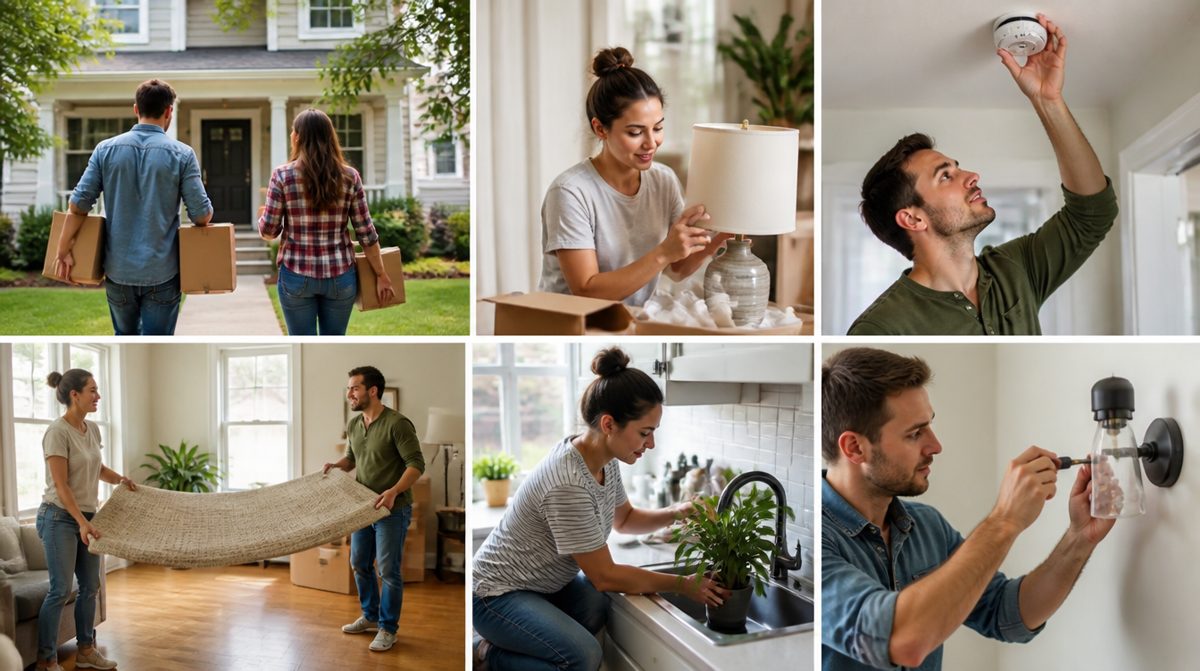
The moving truck is empty, the boxes are everywhere, and the temptation is to start decorating. A better plan is to spend your first week on the practical tasks that make a house safe, functional, and ready to live in. This checklist is organized by priority so you can start with the essentials.
Day One Essentials
- Confirm that electricity, water, heat, and any gas service are working.
- Locate the main water shutoff, the electrical panel, and the gas shutoff if applicable, and show everyone in the household where they are.
- Test smoke alarms and carbon monoxide detectors, and replace batteries if you are unsure of their age.
- Check that exterior doors lock properly and that windows latch.
- Set up beds so everyone can sleep comfortably.
- Unpack the essentials box with plates, cups, a coffee maker, and basic toiletries.
Security and Safety
- Have the exterior locks rekeyed or replaced, since you cannot know how many keys exist for the previous ones.
- Reset any garage door codes and smart lock codes to your own.
- Change the passwords on any shared home network equipment left behind.
- Look for hazards such as loose handrails, damaged outlets, or exposed wiring.
- Locate a fire extinguisher, or buy one for the kitchen.
- Write down emergency contacts and keep them in a visible place.
Utilities and Accounts
- Confirm that the accounts for electricity, water, gas, trash, and internet are in your name.
- Photograph meter readings on move-in day for your records.
- File an official change of address with the postal service and update your address with your bank, insurer, employer, and subscriptions.
- Update the address on your driver's license and vehicle registration, following the rules of your state, which may have a deadline.
- Check that the thermostat settings and water heater temperature are comfortable and safe.
Cleaning and Inspection
- Wipe down kitchen cabinets, drawers, and appliances before loading them.
- Clean bathrooms before unpacking toiletries.
- Replace the heating and cooling filter, and note the size for future purchases.
- Run every faucet and flush every toilet, watching for leaks or slow drains.
- Run the dishwasher and washing machine empty once to flush out dust.
- Check the attic, basement, and crawl space with a flashlight for moisture or pest signs.
Settling In and Paperwork
- Unpack room by room rather than scattering boxes everywhere.
- Break down empty boxes quickly to free up space.
- Introduce yourself to a few neighbors and ask about trash pickup days, parking customs, and local services.
- Take photos of each room before you fill it, so you have a record of its initial condition.
- Keep a list of repairs and projects to prioritize rather than trying to do them all at once.
A Note on Paperwork
Keep your closing documents, warranties, manuals, and inspection reports in one folder. If you have questions about insurance, taxes, or title, consult a qualified professional or the official local office rather than guessing. Many appliances come with registration cards or online registration, which can help if a recall or repair issue comes up.
It also helps to give yourself permission to be imperfect. Nobody finishes unpacking in a week, and that is fine. The goal of these first days is a home that is safe, secure, and workable, with the basics running and the paperwork in order. Everything else can come together room by room over the following weeks.
Takeaway: Secure the locks, learn where the shutoffs are, test safety devices, and set up the basics before decorating. A calm first week makes the new house feel like home faster.