
Household Cleaning Cheat Sheet: The Right Method for Each Surface
A quick reference for what to use and what to skip on common surfaces throughout your home.
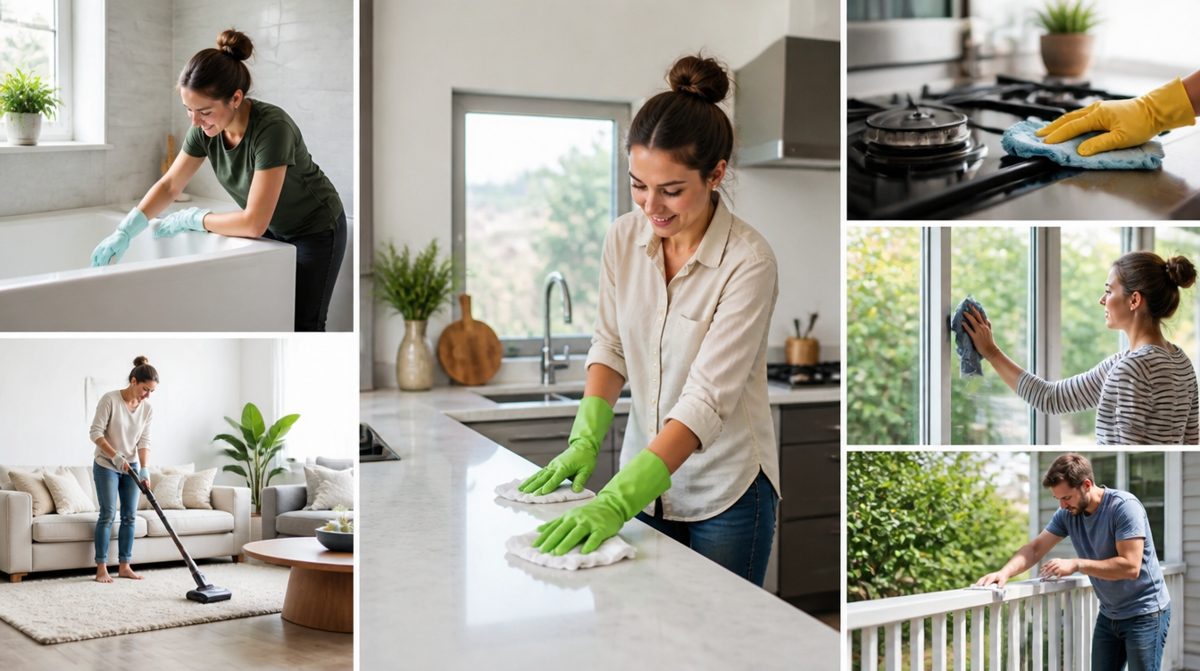
Different surfaces call for different approaches. Using a method that suits the material makes cleaning faster and helps your belongings last. Treat this cheat sheet as a starting point, and always check the manufacturer's care instructions, since products vary. Test any cleaner on a hidden spot first, and never mix cleaning products.
Kitchen
- Laminate and sealed counters: Warm water with mild dish soap and a soft cloth. Avoid abrasive pads.
- Natural stone counters: A pH-neutral stone cleaner. Skip vinegar and citrus.
- Stainless steel appliances: A microfiber cloth with a drop of dish soap, wiped with the grain, then dried to prevent spots.
- Glass cooktop: A cleaner made for glass cooktops and a soft cloth. Scrape burnt-on spots with a razor scraper designed for this purpose, held at a shallow angle.
- Microwave: Heat a bowl of water with a splash of lemon juice or vinegar for a few minutes to loosen splatter, let it sit, then wipe. Use oven mitts, since the bowl will be hot.
- Cutting boards: Wash wooden boards with soap and warm water, dry upright, and oil occasionally. Plastic boards can often go in the dishwasher.
Bathroom
- Tile and grout: A bathroom cleaner suited to tile, with a soft brush for grout. Ventilate well.
- Glass shower doors: Squeegee after use to prevent mineral spots, and wipe with a mild cleaner as needed.
- Toilets: A toilet-bowl cleaner as directed on the label, with a brush. Do not mix with other products.
- Sinks and faucets: Mild soap, a soft cloth, and an old toothbrush for crevices. Dry to prevent water spots.
- Mirrors: A lightly damp microfiber cloth, followed by a dry one for shine.
Living Areas
- Hardwood floors: Sweep or vacuum with a hard-floor setting, then use a lightly damp mop and a cleaner made for wood. Avoid soaking.
- Carpet: Vacuum regularly, blot spills right away rather than rubbing, and follow label instructions for spot cleaners.
- Upholstery: Check the cleaning code tag on furniture, which indicates whether water-based or solvent-based cleaners are suitable.
- Wood furniture: Dust with a soft cloth and use a polish only if the finish calls for one.
- Electronics: Power down, use a dry microfiber cloth, and avoid spraying liquids directly onto screens.
Laundry and Utility
- Washing machine: Run a cleaning cycle regularly and keep the door open between loads.
- Dryer: Clean the lint screen after every load and have the vent duct cleaned periodically, since built-up lint is a fire hazard.
- Dishwasher: Clean the filter and wipe the gasket regularly.
- Refrigerator: Remove shelves, wash with warm soapy water, and wipe up spills promptly. Clean the coils as the manual recommends.
Rules of Thumb and When to Get Help
- Work from top to bottom so falling dust lands on areas you have not cleaned yet.
- Dry first and wet second: remove loose dust before using liquids.
- Let cleaner sit for the time on the label, since contact time does much of the work.
- Use separate cloths for bathroom and kitchen.
- Keep products in their original containers, out of reach of children and pets.
When to Bring in Help
If you spot mold covering a large area, strong persistent odors, or damage from water, consult a qualified professional. Delicate or antique items may benefit from specialist advice, and so can heavy stains on valuable rugs.
Takeaway: Match the method to the material, start gentle, and follow label directions. A simple surface-by-surface routine makes cleaning quicker and protects your home.