
Summer Cooling Cheat Sheet: Keep Your Home Comfortable
Quick tips for easing the load on your air conditioning during hot weather, organized by time of day.
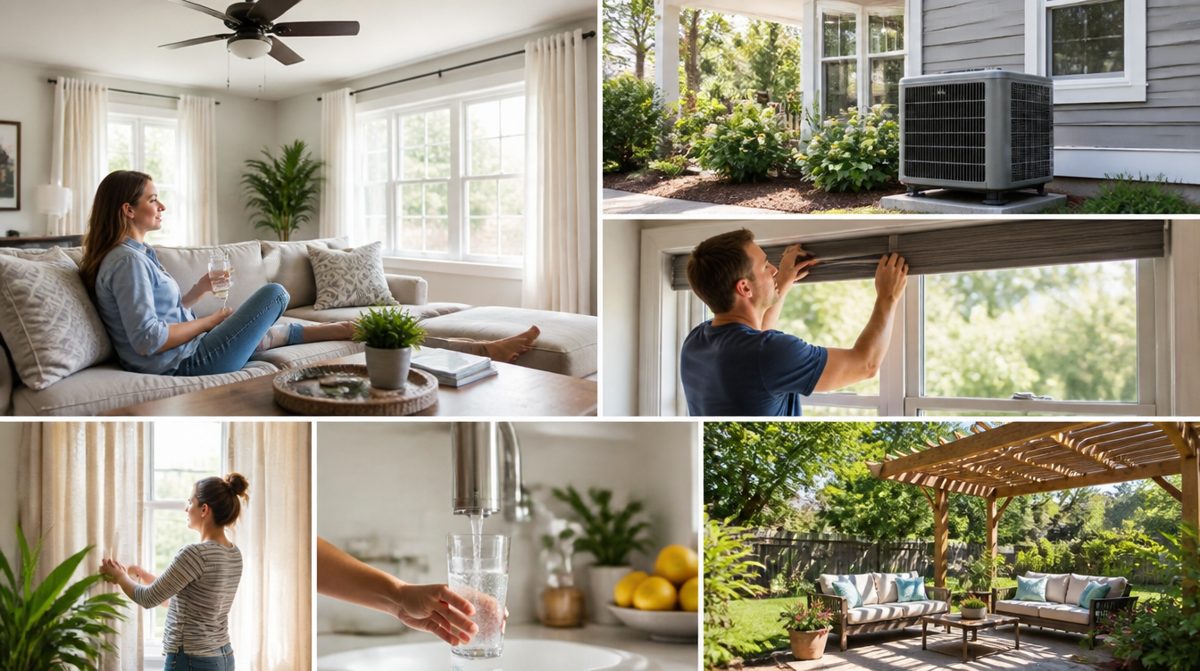
When hot weather settles in, a home can feel like it is working against you. The good news is that a handful of simple habits can lower indoor temperatures and ease the strain on your air conditioner or fans. Use this cheat sheet as a quick reference through the summer. If you or someone in your home is elderly, ill, or very young, take heat seriously and follow guidance from a healthcare provider and local health authorities.
Morning: Prepare the House
- Open windows early, while outdoor air is still cool, and close them before it heats up.
- Run exhaust fans in kitchens and bathrooms briefly to clear moisture and heat.
- Plan heat-producing tasks, like baking and laundry drying, for the cooler part of the day or use an outdoor grill.
- Check that vents and registers are open and not blocked by furniture or rugs.
- Replace or inspect your heating and cooling filter if it has been a while.
Midday: Block the Heat
- Close blinds, shades, or curtains on sun-facing windows. Light-colored, lined curtains reflect more heat.
- Consider reflective window film or exterior shades for sun-baked windows.
- Keep doors to unused rooms closed if your system is designed for that, and check with an HVAC professional about whether closing registers helps or hurts your equipment.
- Use ceiling fans in occupied rooms only, since fans cool people rather than rooms. Set them to rotate counterclockwise in summer, as viewed from below, to push air down.
- Avoid using the oven, and turn off lights and electronics you are not using, since they add heat.
Afternoon and Evening: Stay Comfortable
- Set the thermostat to a comfortable but moderate temperature and avoid dramatic changes, which make the system work harder.
- Drink plenty of water and wear lightweight clothing.
- Close off hot rooms where you do not need to be.
- Once the sun is down and the outdoor air is cooler than indoors, open windows on opposite sides of the house to create a cross breeze.
- Place a box fan in a window to pull cooler air in at night if conditions allow.
Weekly and Seasonal Tasks
- Clear leaves and debris from around the outdoor condenser, leaving space around it for airflow.
- Gently rinse dirty outdoor coils according to the manufacturer's instructions, after turning off power.
- Check that attic vents are unobstructed and that insulation is in good shape.
- Seal gaps around windows and doors to keep cool air in.
- Consider planting shade trees or installing awnings for the long term.
- Schedule a professional tune-up if your system has not been checked recently.
When to Call a Professional and Heat Safety
- Air from the vents is warm or weak even with a clean filter
- Ice forms on the indoor coil or refrigerant lines
- The system short-cycles, turning on and off frequently
- Strange noises, smells, or water leaking near the indoor unit
Call a licensed HVAC technician rather than trying to handle refrigerant or electrical components yourself.
Safety in a Heat Wave
Never leave children or pets in a parked car. Check on elderly neighbors and relatives. Know the signs of heat illness, such as dizziness, heavy sweating, confusion, and nausea, and seek medical help promptly if they appear. If you lose power or cooling, move to a cooler location such as a public cooling center.
Takeaway: Capture cool air early, block sun midday, vent at night, and keep your equipment clean. Small adjustments across the day add up to a cooler, more comfortable home.