
Kitchen Safety Checklist for Older Adults
A practical list for preventing burns, fires, falls, and food-related problems in the kitchen.
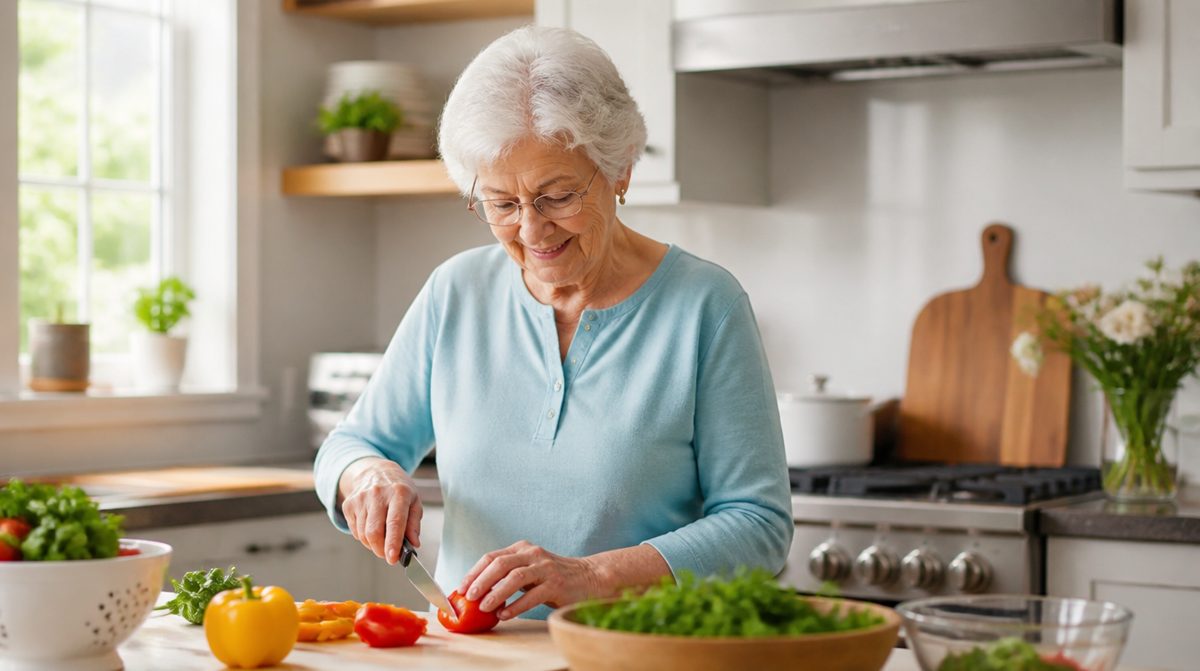
The kitchen is the heart of the home, and also a place where burns, cuts, falls, and food-safety problems can occur. A few thoughtful adjustments make cooking more comfortable and lower the chance of accidents. Use the checklist below to review your own kitchen, and ask a family member or friend to look it over with fresh eyes.
Fire and Burn Prevention
Cooking is a leading source of home fires, and slower reflexes or forgetfulness can raise the risk. These steps help.
- Never leave the stove or oven unattended while cooking, even briefly.
- Use a timer, and carry it with you if you move to another room.
- Wear short or close-fitting sleeves when cooking. Loose, dangling sleeves can catch fire.
- Keep towels, paper, and curtains away from burners.
- Turn pot handles inward so they cannot be bumped or grabbed.
- Keep a lid nearby to smother a small pan fire. Do not use water on a grease fire.
- Store a fire extinguisher where you can reach it easily, and learn how to use it.
- Test smoke alarms monthly and replace batteries when needed.
Preventing Falls and Strain
Reaching, bending, and stretching can cause falls or sore muscles. Rearrange the kitchen so that everyday items are easy to find.
- Store frequently used dishes, pots, and food between waist and shoulder height.
- Avoid climbing on chairs or boxes. Use a sturdy step stool with a handrail if you must reach higher.
- Clean up spills right away, and keep floors dry.
- Choose non-slip mats or remove rugs that curl at the edges.
- Keep the floor free of pet bowls, cords, and clutter.
- Ensure that lighting over counters and the stove is bright enough.
- Think about lightweight cookware and tools with easy-grip handles if your hands tire quickly.
Food Safety Basics
Older adults can be more sensitive to foodborne illness, so a few habits are especially valuable.
- Wash hands with soap and water before and after handling food.
- Keep raw meat, poultry, and fish separate from ready-to-eat foods.
- Cook foods to safe temperatures, using a food thermometer to be certain.
- Refrigerate leftovers promptly and use them within a few days.
- Check dates and discard anything that smells or looks wrong. When in doubt, throw it out.
- Keep your refrigerator cold and clean out old items regularly.
- Label leftovers with the date so you do not have to guess.
Appliances and Medications
- Consider appliances with automatic shut-off features, such as kettles and some stoves.
- Unplug small appliances when not in use.
- Keep cords away from the sink and hot surfaces.
- Do not store medicines near the stove or in places that might be confused with food.
- Keep cleaning products in their original containers and away from food.
- Post emergency phone numbers in a visible spot.
If cooking has become stressful or unsafe, it is not a failure to ask for help. Simple meal-delivery options, community meal programs, and easy-prep foods can ease the burden while keeping you independent and well fed.
Simplifying Cooking
If standing at the stove for long feels tiring, think about simpler ways to prepare meals. A microwave, slow cooker, or countertop appliance with an automatic shut-off can reduce stove time. Prepare ingredients while seated at the table, and cook in batches that can be frozen in labeled portions. Many communities also offer meal programs through senior centers. Choosing easier methods is not giving up; it is a smart way to stay safe and well nourished.
The takeaway: Watch the stove, arrange things within easy reach, follow basic food-safety habits, and keep helpful tools nearby. Check items off one at a time, and speak with a family member or health provider about any worries.