
Bathroom Safety Checklist for Older Adults
A room-by-room checklist of practical changes that make the bathroom safer and easier to use.
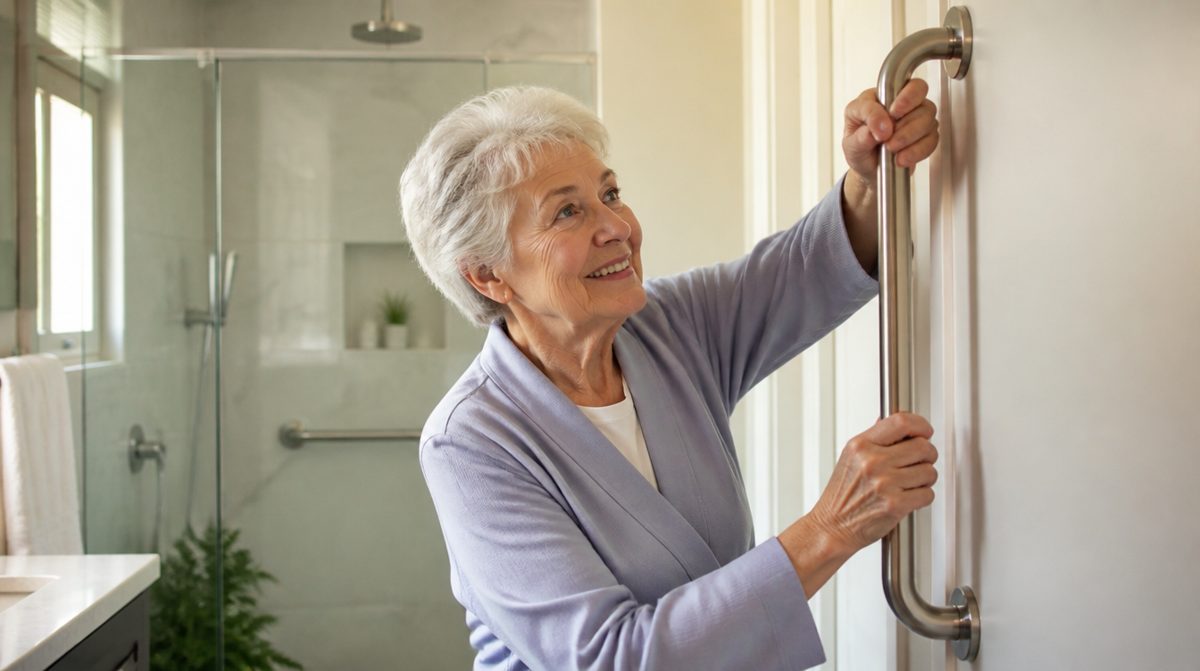
The bathroom combines hard surfaces, water, and tight spaces, which makes it one of the places where slips are most likely to happen. Fortunately, many improvements are simple and inexpensive to carry out. Use this checklist to walk through your bathroom, or a loved one's, and note what could be improved. Consider asking an occupational therapist or a qualified contractor for advice on larger changes.
Floors and Walking Space
Wet floors cause many falls, so start here. Go through the room and tick off the items below.
- Remove loose throw rugs, or replace them with rugs that have a firm, non-slip backing that lies flat.
- Place a non-slip mat outside the shower or tub to absorb dripping water.
- Wipe up spills and puddles right away.
- Keep the floor clear of laundry baskets, scales, and clutter.
- Make sure the path from the bedroom to the bathroom is clear and lit at night.
- Wear shoes or slippers with grip, rather than socks, on slick floors.
Shower and Tub
Getting in and out of the tub is often the riskiest moment. A few small additions can make it much easier.
- Install a non-slip mat or adhesive strips inside the tub or shower floor.
- Add grab bars that are anchored to wall studs or installed by a professional. A towel bar is not designed to hold body weight.
- Consider a sturdy shower chair or bench if standing for long is tiring.
- Use a handheld shower head so you can sit while bathing.
- Keep shampoo and soap within easy reach, ideally in a shelf or caddy at waist level.
- Test the water temperature with your hand before stepping in.
- Think about a walk-in shower or a tub with a lower threshold if remodeling becomes an option.
Toilet and Sink Area
Standing up and sitting down can be hard on the knees and hips. These steps can help.
- Install grab bars next to the toilet.
- Consider a raised toilet seat or a taller toilet if rising is difficult.
- Keep a night light plugged in so you can see clearly after dark.
- Store everyday items between hip and shoulder height to avoid bending or reaching.
- Keep medicines in a clearly labeled, organized spot, away from heat and moisture.
- Make sure faucets and handles are easy to turn. Lever handles are often easier on the hands than round knobs.
Emergency Readiness
Think about what would happen if you fell. Preparation can shorten the time it takes to get help.
- Keep a phone within reach, or consider a wearable alert device that can call for help.
- Choose a door lock that can be opened from the outside in an emergency.
- Leave the door unlocked or slightly ajar if you live alone and feel unsteady.
- Keep emergency numbers posted somewhere visible.
- Let a family member or neighbor know your daily routine so they can notice if something seems wrong.
- Ensure your lighting is bright enough, with switches that are easy to find.
Walk through the room slowly after making changes, imagining each movement you make, from stepping in to drying off. Small tweaks often reveal themselves when you pretend to use the space.
Reviewing and Maintaining
A safe bathroom is not a one-time project. Check grab bars regularly to make sure they have not loosened, replace worn mats, and refresh night lights when bulbs fade. After any illness, surgery, or change in medicines that affects balance, walk through the checklist again. A home safety evaluation by an occupational therapist, which your doctor may be able to arrange, can point out risks you might overlook and suggest equipment suited to your needs.
The takeaway: Clear the floor, add support where you need to stand or sit, light the way, and plan for help. Work through the list one item at a time and ask a professional about any bigger projects.